

Introduction
In Five Cents Japan’s Rising Bond Costs, we’re looking at why Japanese government bond yields kept climbing even after the Bank of Japan raised rates, and what that means for public finances and households. The starting point is what happens to a bond when investors want a higher return.
Most government bonds promise fixed payments
Most government bonds promise fixed payments. Suppose an older bond pays less than a new one offered on similar terms. To make the older bond worth buying, its market price has to fall. The fixed payments then represent a higher return relative to that lower price. Its yield rises.
So when you hear that Japanese bonds are falling while yields are rising, those are two descriptions of the same market move. The government does not suddenly pay a higher coupon on every bond it has already issued. The price changes hands in the market. Borrowing costs change as Japan issues new debt and refinances old debt.
Why would investors demand more return? Inflation is one reason. A payment fixed today buys less in the future if prices rise faster than expected. Investors may also expect the Bank of Japan to keep raising its policy rate, making newer, shorter-term investments more attractive. Those expectations tend to show up quickly in short-maturity bonds.
A ten-year yield is more complicated. It reflects expectations for interest rates over many years, inflation, and the extra return investors require to hold longer-term debt. It can also be pulled higher by rising yields in other major bond markets, or by concerns about how much debt the government will issue. The Bank of Japan’s policy rate and the ten-year bond yield are related, but they are not interchangeable numbers.
That distinction helps explain the recent moves
That distinction helps explain the recent moves. On September eighteenth, the Bank of Japan raised its policy rate from one percent to one and a quarter percent. Yet Japanese bonds kept falling. By September twenty-eighth, the ten-year yield had reached about three point one percent, and the two-year yield was one point nine five percent.
Investors were weighing the possibility of further rate increases alongside fresh signs of price pressure. Global bond yields had risen too. The rate hike was a decision already made. The bond market was still pricing what might come next, both inside and outside Japan. It would be misleading to pin the entire move on one inflation report.
And that report needs care. Japan’s official August figures put headline inflation at one point nine percent. Inflation excluding fresh food was one point seven percent, and the measure excluding both fresh food and energy was one point nine percent. None of those figures, on its own, says that every measure is running above the Bank of Japan’s two percent target.
A separate measure pointed to faster service-sector price increases, which investors may see as a sign that inflation could persist. But one reading cannot establish that trend. The central bank also has to weigh wages, spending, and the risk that higher borrowing costs slow the economy. More inflation does not automatically mean another rate hike.
For the government, the cost builds over time
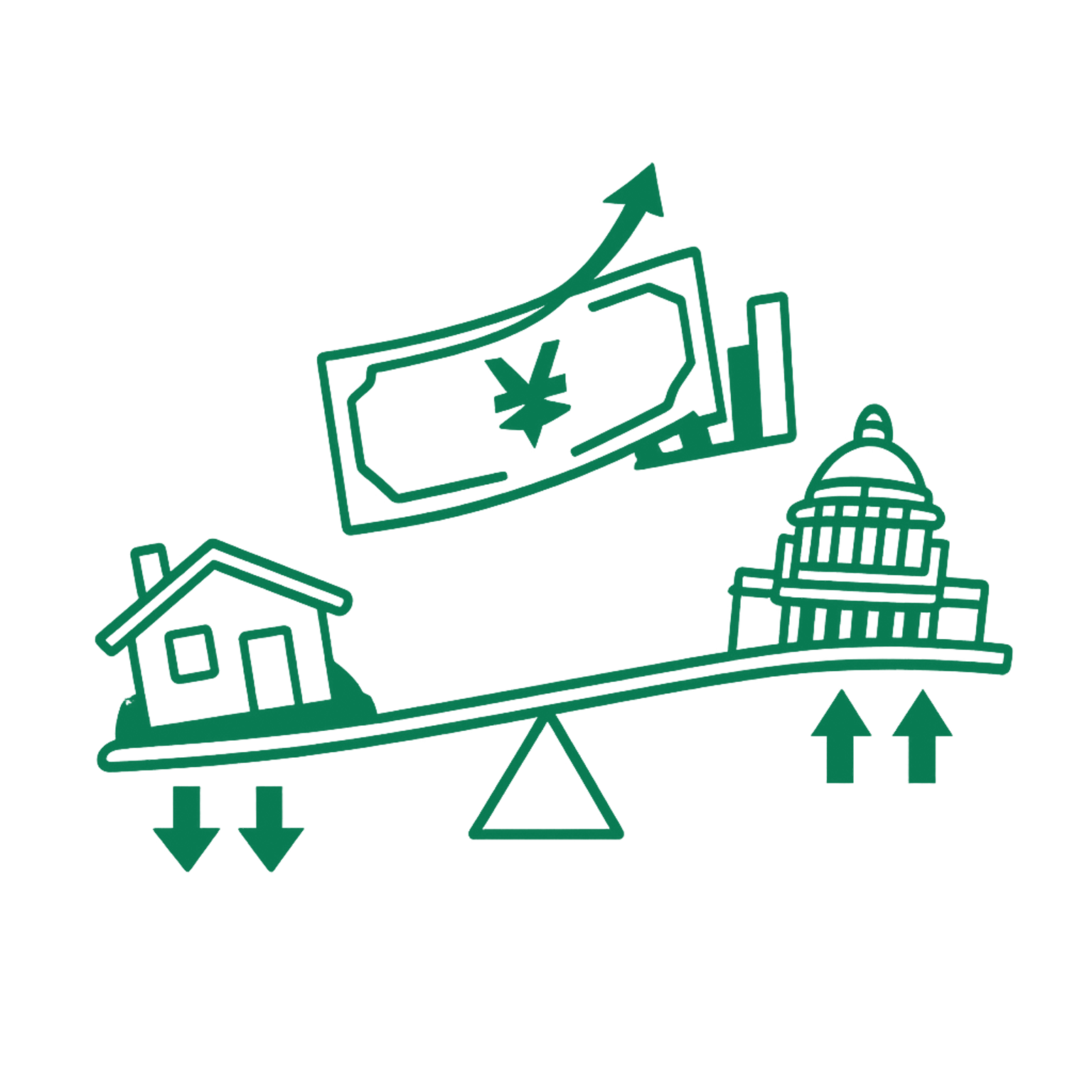
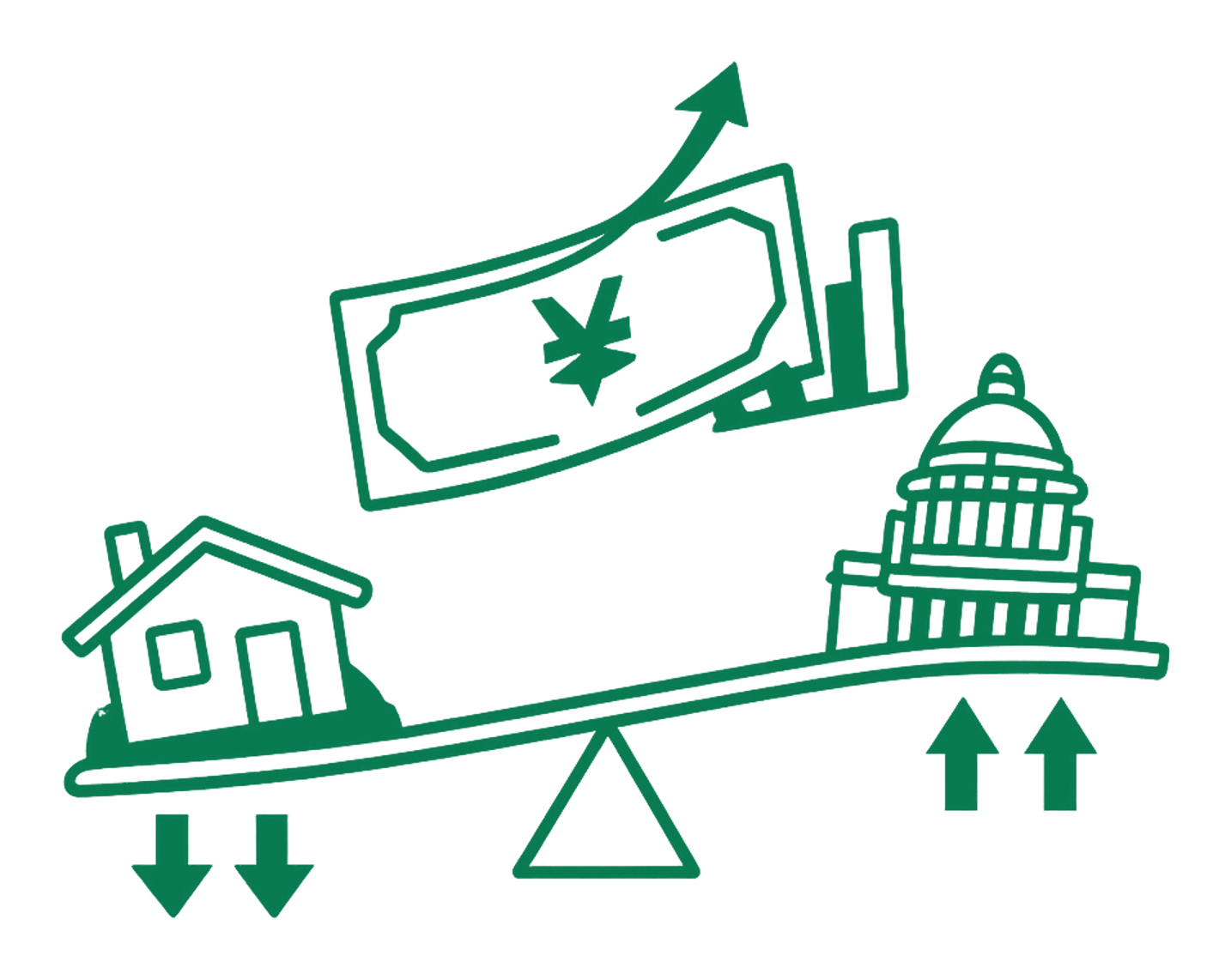
For the government, the cost builds over time. Japan’s finance ministry estimates interest payments on government bonds of about thirteen trillion yen in the twenty-twenty-six fiscal year, up from ten and a half trillion yen in the previous initial budget. The estimate reflects, in part, assumptions about higher interest rates and the cost of refinancing maturing bonds. It is not a bill triggered overnight by one jump in the ten-year yield.
Still, if Japan repeatedly replaces cheaper debt with more expensive borrowing, interest takes a larger share of future budgets. That can reduce room for other spending or add to the amount the government needs to borrow. Households experience a different, less uniform effect. Market yields can influence the price of some fixed-rate loans. Bank of Japan policy changes can feed into floating-rate mortgages, other lending, and deposit rates, often with delays.
Its research found that rates on many floating-rate home loans rose after earlier policy increases, and some borrowers saw higher monthly payments. That does not mean every mortgage payment rises after the latest decision. Loan terms and reset dates matter. Savers, meanwhile, may earn more on deposits, while successful control of inflation would help protect purchasing power. The effect on any household depends on its debts, savings, and timing.
So the bond sell-off is not evidence of a single cause. Fixed bond payments lose market value when investors demand higher returns. Further rate expectations can lift yields even after a hike. And the costs reach budgets and households gradually, through different channels. To explore those channels further, you can generate two new Five Cents podcasts: How Higher Rates Reach Your Mortgage, or Japan’s Debt Refinancing Challenge. And with that, you're up to speed in a few minutes.