

Introduction
Five Cents Red Sea Islands Crisis looks at what reported Houthi control of the Hanish Islands could change: shipping through the southern Red Sea, insurance costs, aid access in Yemen, and the choices facing Saudi Arabia and the United States. The central question is whether these islands create a blockade, or simply more leverage. Start with the geography.
What is happening
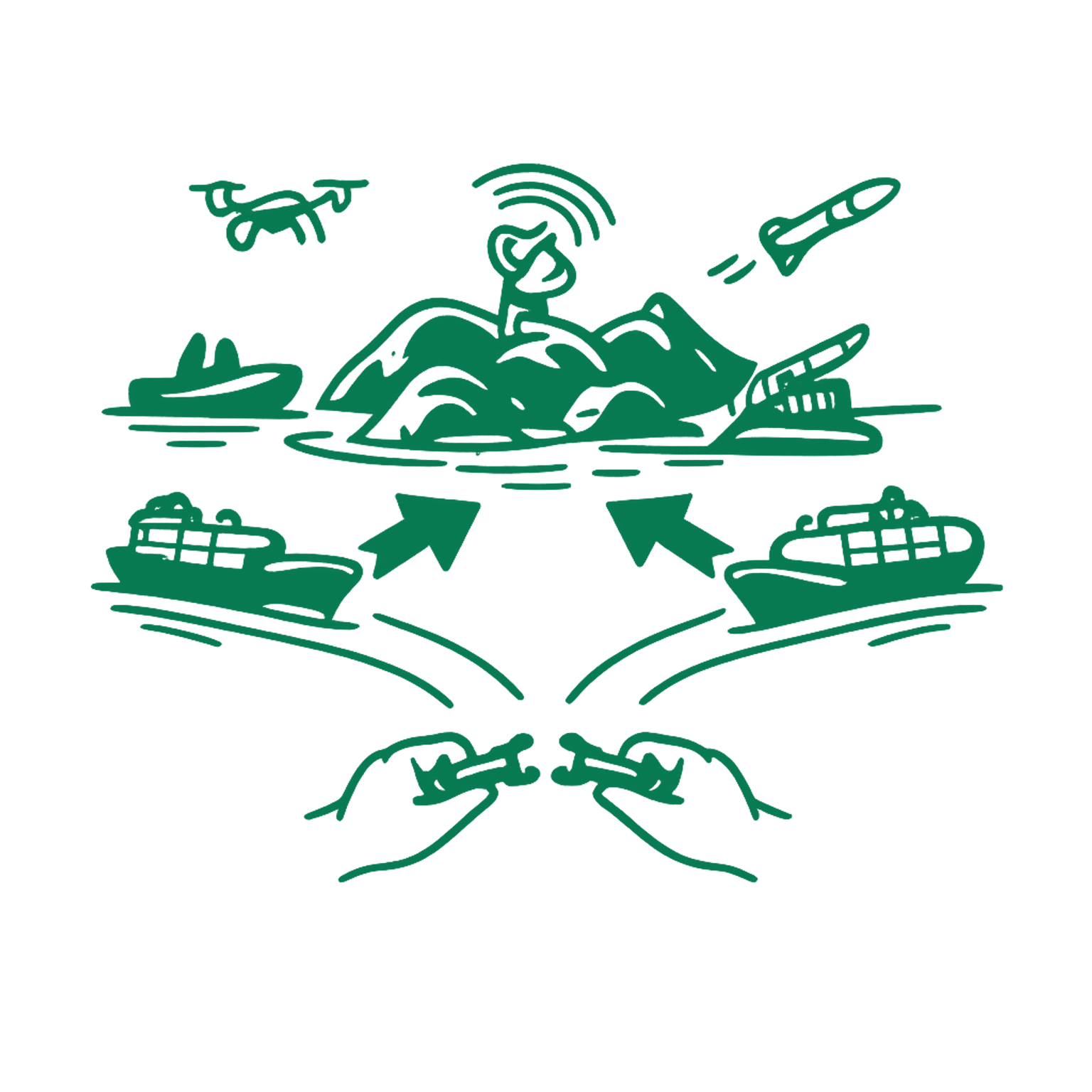
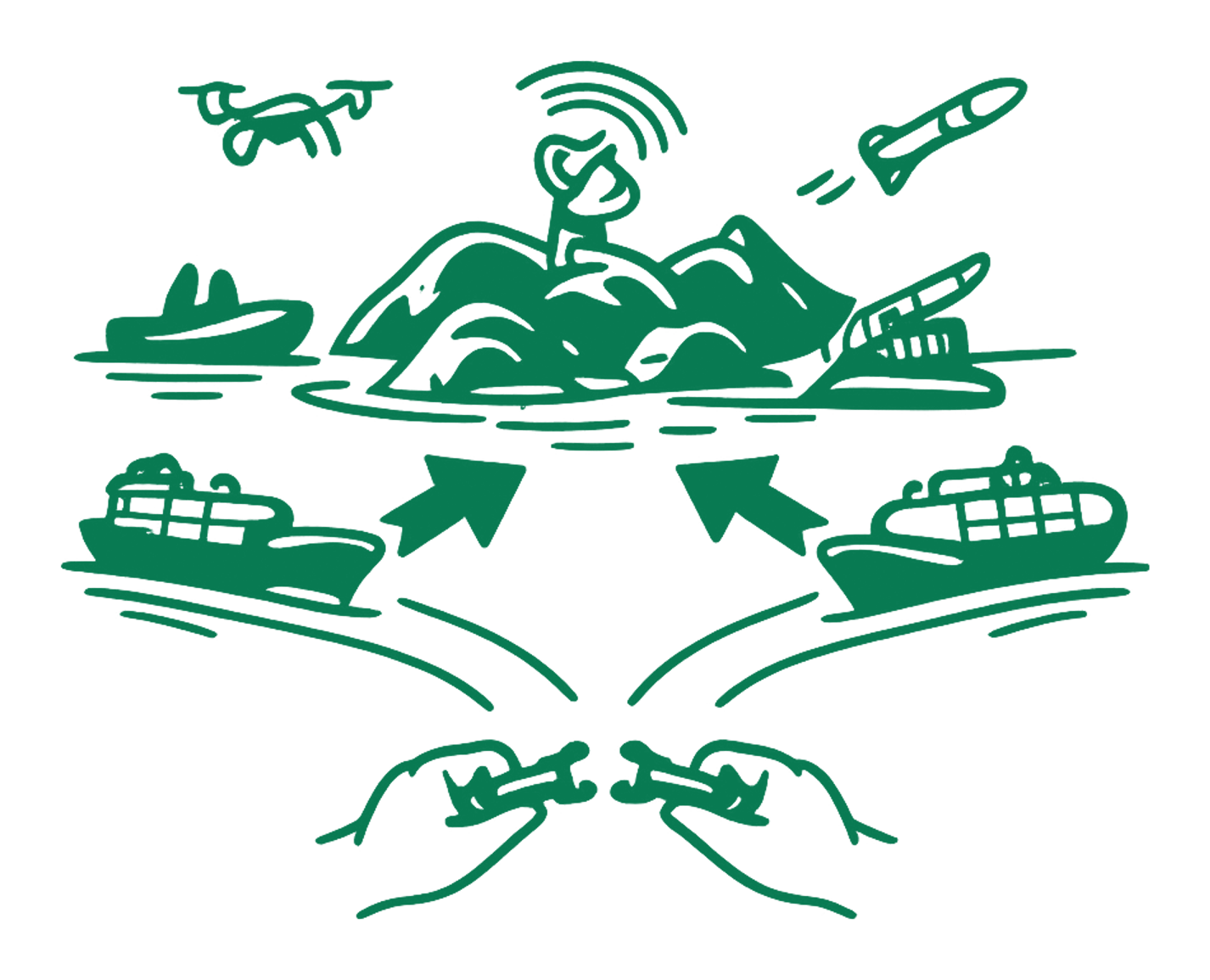
The Hanish Islands sit about one hundred sixty kilometres north of the Bab el-Mandeb, the narrow passage linking the Red Sea to the Gulf of Aden. They are not a switch that can close the strait. But they could give Houthi forces forward positions closer to vessels approaching it. That matters if the group can sustain fuel, weapons, surveillance, and communications there. It would also need to coordinate with positions on Yemen’s coast and possibly Perim, or Mayyun, inside the strait itself.
The immediate military advantage is a wider threat zone. Drones and missiles can be launched from the mainland, but island positions could shorten warning times. They could also support fast boats, attempted boardings, or monitoring of traffic. That does not mean the Houthis can stop every ship. Commercial traffic is vast, naval forces are present, and holding remote islands is harder than taking them.
The more defensible assessment is that the islands may strengthen selective disruption. They could make some ships feel exposed enough to reroute, delay, or seek protection. That is often enough to affect trade. A single successful attack, seizure, or credible warning can change decisions far beyond the vessel involved.
Sailing around southern Africa adds fuel, time, and operating costs. It also keeps ships tied up for longer. For carriers, charterers, and cargo owners, the issue is not only whether passage is possible. It is whether passage remains predictable. The Houthis have previously focused threats on ships they identify as linked to Israel, the United States, the United Kingdom, or Saudi Arabia. In practice, proving those links can be messy. That uncertainty becomes part of the risk.
The context
Insurance is likely to respond before any formal closure of the route. War-risk premiums may rise, especially for ships with connections to countries the Houthis have named. Insurers can also demand higher deductibles, tighter voyage approvals, or extra security measures. Geography alone will not determine prices. If the islands are occupied but not militarised or used in attacks, the market may adjust and stabilise.
If there is evidence of radar, missile sites, drone facilities, or successful small-boat operations, costs could climb sharply. More owners may avoid the area. The humanitarian consequences are less about the islands themselves than the coastal offensive around them. The reported capture of Mokha, alongside fighting and displacement, puts pressure on roads, ports, warehouses, and aid workers. The United Nations has already reported the seizure of a humanitarian compound in Mokha after staff evacuated.
Yemen’s aid system depends on access across contested territory and through major ports. More checkpoints, damaged routes, and higher transport costs can delay food, fuel, and medical supplies, even without a total interruption of maritime trade. For the Houthis, the political gain could be as important as the military one.
Taking coastal territory from government-aligned and Gulf-backed forces supports a narrative of momentum. It also creates another bargaining tool in future negotiations. For Yemen, it deepens fragmentation. Control of coastlines, islands, and ports becomes another dispute between competing armed authorities.
Saudi Arabia faces a difficult balance
Saudi Arabia faces a difficult balance. It can seek a stronger military response, but that risks renewed attacks on Saudi infrastructure. Restraint may reduce escalation, but it could allow the Houthis to consolidate a strategic position near a key oil route. For Washington, the choice is also wider than the islands. Maritime escorts, intelligence sharing, and air defence can reduce risk without launching a major campaign.
Direct strikes on launchers, command sites, or island facilities might disrupt Houthi capabilities. But they could widen the conflict and further complicate aid operations. The next signals to watch are practical: evidence of durable Houthi infrastructure on the islands, changes in shipping routes and insurance terms, attacks on Saudi-linked vessels, and whether the United States moves from support and deterrence to direct action.
The Hanish Islands do not create an automatic blockade, but they could make the southern Red Sea more dangerous, more expensive, and more politically contested. Their value depends on logistics, weapons, and actual use.
To continue, you can generate Five Cents The Bab el-Mandeb Chokepoint or Yemen’s Fragmented War. And with that, you're up to speed in a few minutes.