

Introduction
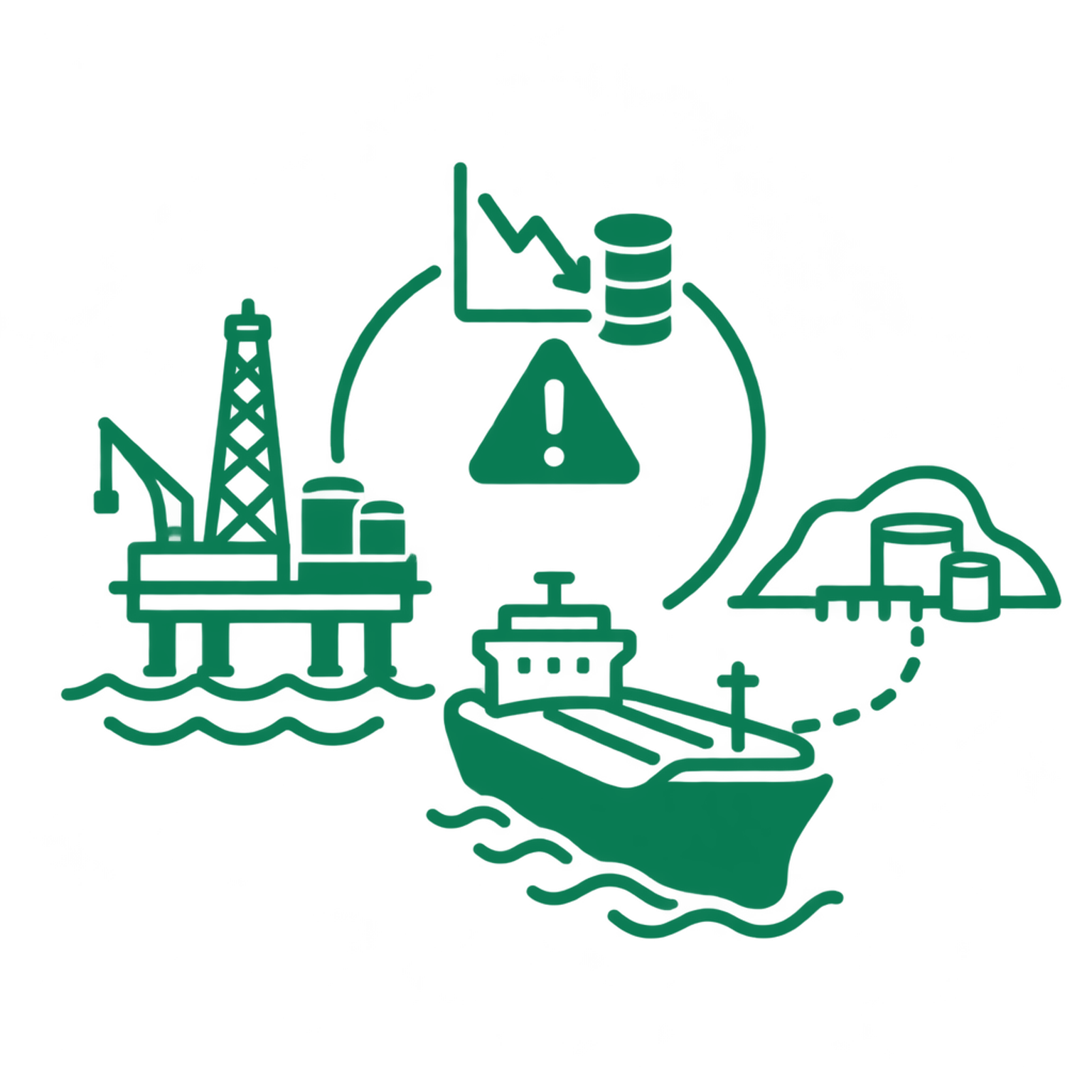
Five Cents Hormuz Shipping and Oil Risk explains why a falling oil price does not necessarily mean a safer voyage or an on-time delivery. We’ll follow crude from production to the refinery, separate futures prices from physical cargo costs, and identify what would actually show that shipping conditions are improving. The best starting point is the buyer waiting for a ship.
A refinery needs a suitable grade of crude
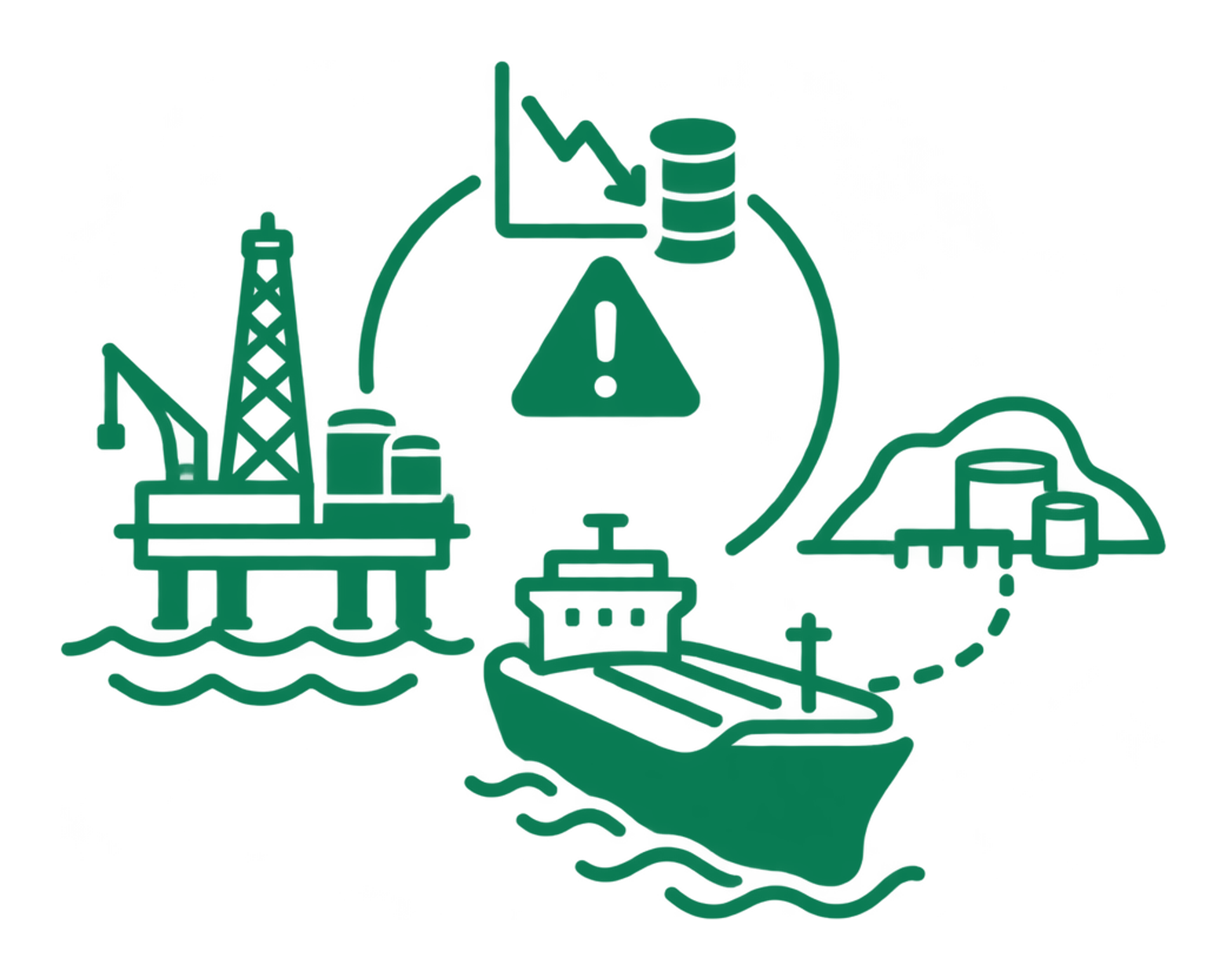
A refinery needs a suitable grade of crude, in a particular place, by a particular date. A lower benchmark price cannot meet that need if the cargo is delayed. Delivery depends on several separate operations working: producing the oil, getting it into storage, loading a tanker, completing the voyage, and unloading at the destination. An improvement at one stage can coexist with serious trouble at another.
That distinction helps explain the October twenty-sixth price move described in the latest reporting. Brent futures fell roughly one and a half percent in morning trading as hopes grew that tensions between the United States and Iran might ease. That was a change in expectations, not confirmation that tanker routes were safe. Documented attacks and disruption remained part of the physical picture.
Start upstream. Oil coming out of the ground is not the same as oil available to an overseas buyer. Damaged infrastructure can interrupt the journey to an export terminal. Storage can fill up if cargoes cannot leave. Eventually, that can force producers to reduce output, even if their wells are undamaged.
The reverse is also possible. Exports can recover while production remains constrained, because producers draw down stored oil. The October market assessment estimated Gulf crude exports at thirteen point nine million barrels a day in September, above three quarters of their pre-war level. It also described falling inventories as exports rose. Those shipments were real, but they did not establish that the whole system had recovered.
The context
Next comes loading. A terminal needs working equipment, available berths, and a tanker that can arrive within its loading window. Delays can spread through the schedule. A ship waiting longer than expected is also unavailable for its next job. So oil may be ready for export while the practical capacity to move it remains limited.
Once loaded, the tanker still needs an operator and crew willing to make the voyage, appropriate insurance, and a usable route. These are commercial decisions as well as security questions. War-risk cover may come with additional costs or conditions, and those terms can differ by vessel and voyage. There is no single universal insurance premium that tells us whether every Hormuz shipment is viable.
Operators can adapt. One reported arrangement uses shorter tanker runs from Gulf terminals to a transfer area near Fujairah, where cargo moves onto other ships. Such transfers can help maintain exports, but they add coordination and handling requirements. They are a workaround, not evidence that the underlying danger has disappeared.
Traffic figures need equally careful reading. During October fifth to eleventh, specialist tracking counted one hundred and four transits by vessels without Iranian links, including eighty-one tanker and gas-carrier passages. Total transits were down from the previous week, but above the August weekly average. That tells us ships were moving. It does not tell us how many barrels reached buyers, whether ships were fully loaded, or whether voyages were safe.
Return to the price
Now return to the price. Futures react quickly to expectations about diplomacy, future supply, and trading positions. Physical crude also reflects its grade, location, and delivery date. A refinery cannot replace an overdue shipment simply by buying a cheaper futures contract. Financial exposure and operational supply are different problems.
September provided an illustration: reported physical crude price markers rose much more than Brent futures. Higher freight and crude costs also squeezed refining margins. A benchmark can therefore soften while a buyer still faces expensive transport or a shortage of suitable near-term cargoes. Nor does cheaper crude automatically mean cheaper fuel. Refining and product transport can face their own disruptions.
What would genuine improvement look like? Refiners would see suitable cargoes arriving more reliably. Operators would see sustained departures as well as arrivals, fewer verified incidents, and workable voyage conditions. Markets would see those improvements persist, rather than infer them from a diplomatic headline. No single transit count or daily price move answers all of that.
The essential distinctions are straightforward: production is not delivery, moving ships are not proof of safe passage, and futures prices are not the full cost of securing crude now. To explore the next steps, you can generate two related Five Cents: How Tanker War-Risk Insurance Works, and Why Fuel Prices Diverge From Crude. And with that, you're up to speed in a few minutes.