

Introduction
Five Cents explores AI Tools in Drug Development to separate better project coordination from better medicines. We’ll examine what Orchestra Bio adds to OpenAI’s plans, where its capabilities stop, and what evidence would show that the software makes a difference. The starting point is the work it actually organizes.
Developing a medicine involves linked studies and decisions across laboratories
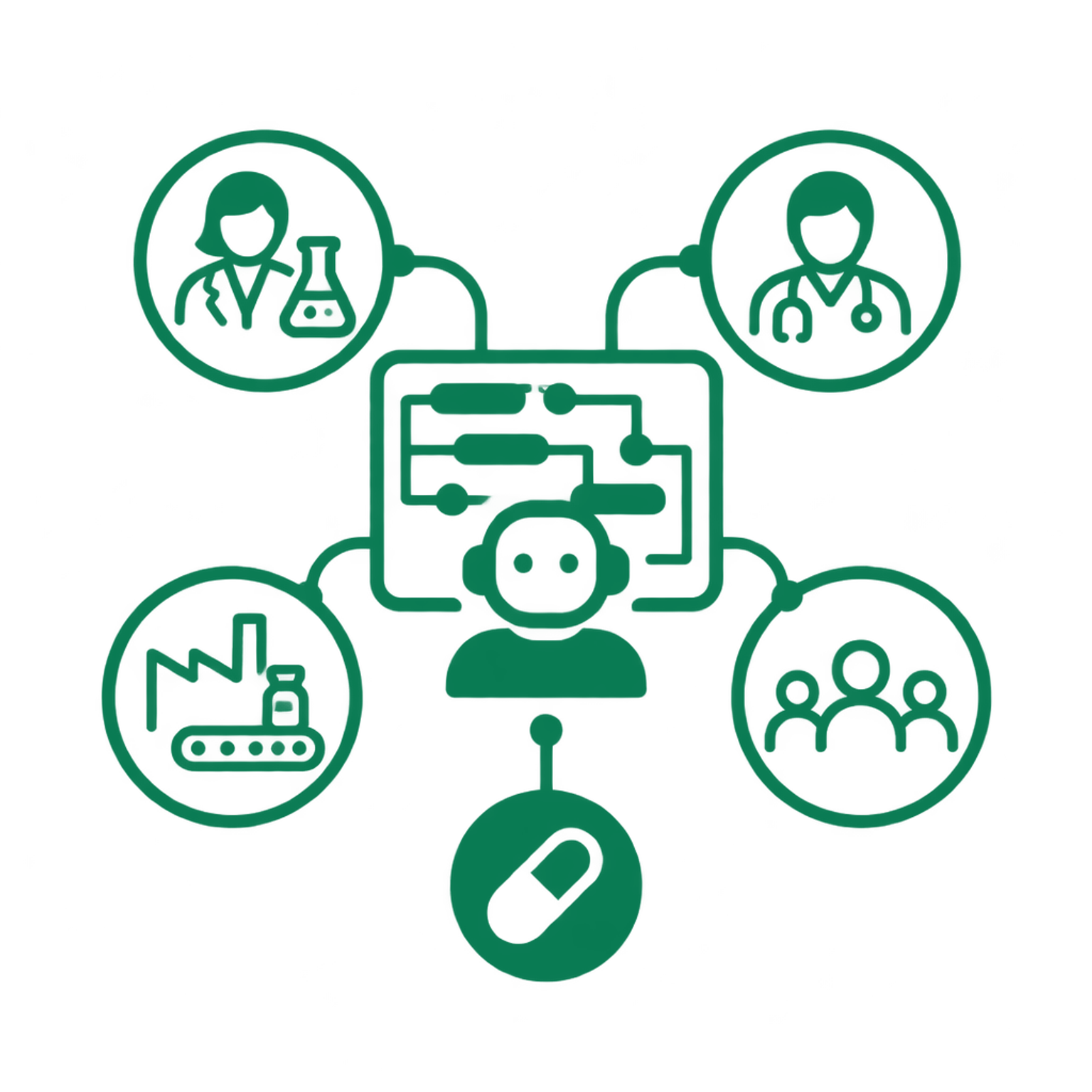
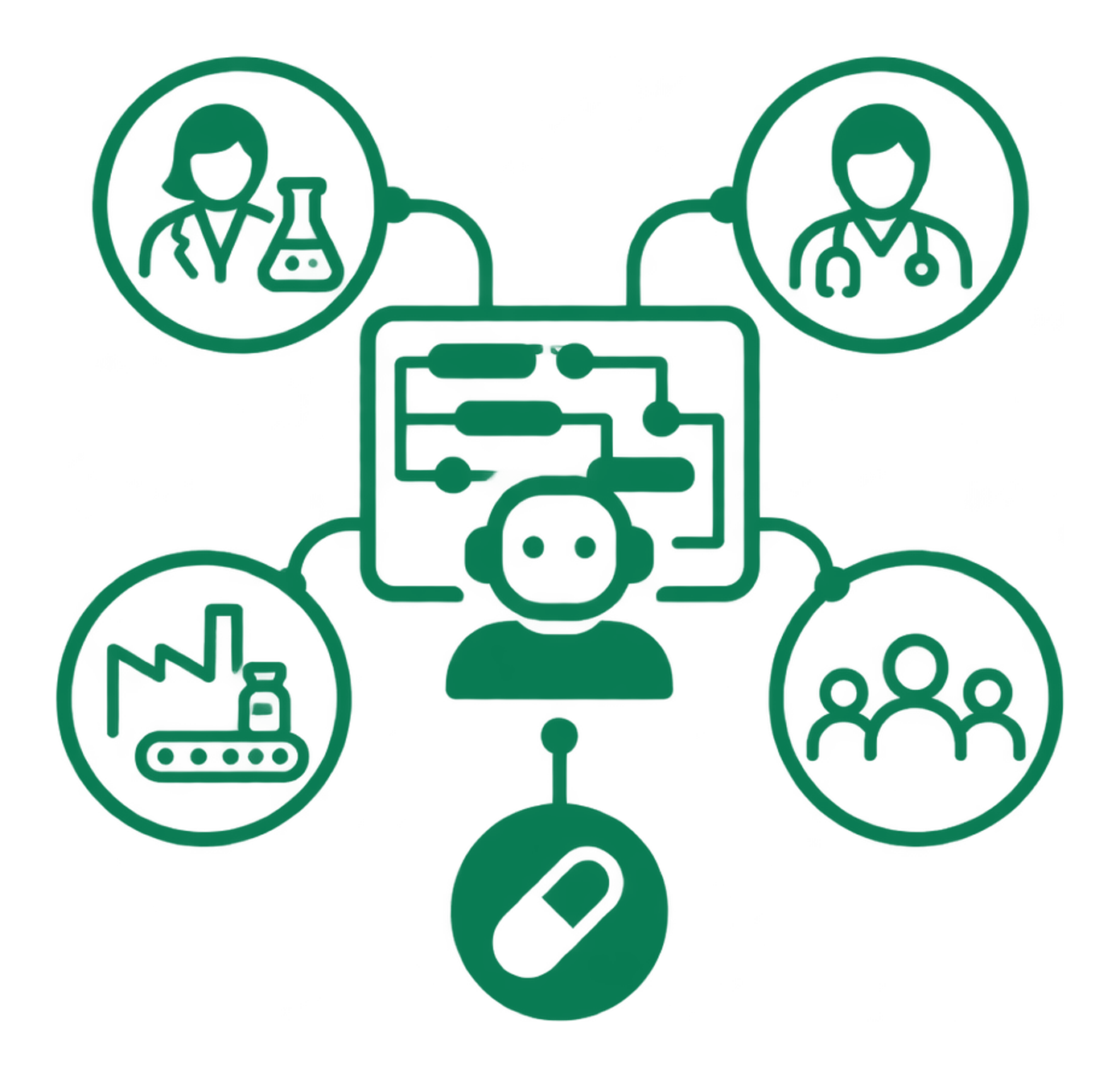
Developing a medicine involves linked studies and decisions across laboratories, clinical teams, manufacturing groups, and outside partners. A change in one place can affect several others. Coordination software helps people see those connections, keep information current, and compare responses when something goes wrong.
That is different from discovering a promising drug. It is also different from demonstrating that a treatment helps patients. Those distinctions matter because the phrase “AI in drug development” can describe all three activities, even though each requires different evidence. Orchestra’s announced role sits mainly in coordination. Its platform is described as a place where people and AI agents can track studies, identify downstream effects of problems, gather relevant information, and compare possible responses.
Scientists and program leaders remain responsible for decisions. Consider a manufacturing batch that fails. A team may need to reassess a planned trial start, check which activities depend on that batch, and examine alternative schedules. Software could help surface those dependencies and assemble the information needed for a discussion. But simply organizing that discussion cannot establish that another batch is suitable or that a trial is ready to begin.
That explains the logic behind OpenAI’s acquisition announcement on October twentieth, twenty twenty-six. The company said it would combine Orchestra Bio’s team and technology with Rosalind, its life-sciences tools. The stated aim is to connect scientific findings with the studies and decisions needed to advance potential medicines. Financial terms and a timetable for product integration were not disclosed.
What OpenAI gains, then, is software and expertise for coordinating the work around drug-development programs. That could make its scientific tools more useful within teams’ everyday processes. But the announcement describes a direction, not a demonstrated improvement in development speed or patient outcomes.
To understand the boundary
To understand the boundary, separate coordination, discovery, and clinical validation. Coordination asks whether teams can see the relevant work, dependencies, and decisions. Discovery asks whether a biological target or candidate has enough scientific support to investigate. Clinical validation asks whether a treatment delivers meaningful benefits with acceptable risks in people.
Success at one stage does not establish success at the next. A well-organized program can investigate a candidate that ultimately fails. A compelling laboratory result can lead to a treatment that proves ineffective or unsafe in human studies. Better coordination may be valuable without changing either scientific outcome.
So how should a company evaluate a tool like this? Start with operational questions that can actually be measured. Does it reduce missed dependencies? Do teams spend less time reconciling conflicting information? Can they respond to changes sooner, with fewer avoidable delays? Those are proposed tests, not reported results for Orchestra. A persuasive evaluation would compare performance against a credible baseline or comparison group.
It would also examine whether improvements hold across different programs, rather than relying on one favorable case. Attribution matters. If a team adds experienced staff, changes management, and introduces new software together, an improved schedule cannot automatically be credited to AI. Evaluators need to distinguish the software’s contribution from changes in budget, staffing, or study design.
They should also look beyond speed. Information assembled quickly still needs to be accurate and relevant. A useful assessment would check whether the system overlooks important dependencies, presents outdated material, or creates extra checking work. Saving time on one task is less impressive if it adds work elsewhere.
The medical question requires a different standard
The medical question requires a different standard. Evidence must support the particular treatment and its intended use. That includes assessing benefits and risks in people, with randomized controlled trials providing especially strong evidence where appropriate. An acquisition or an efficient workflow cannot substitute for that testing.
Faster development could reduce administrative friction. It does not, on its own, demonstrate better safety, effectiveness, affordability, or access. The announcement reports no clinical results attributable to Orchestra. The broader industry includes AI tools aimed at discovering and designing drugs, not just coordinating programs. Those approaches should not be judged as interchangeable.
The useful question is always what task a system performs, and what evidence supports its claimed benefit. Orchestra’s stated contribution is coordination. Operational improvements need comparative measurement. Patient benefit still requires evidence about the medicine itself. To explore this further, you can generate two new Five Cents episodes: Measuring AI Performance in Research Teams, and How Clinical Trials Establish Patient Benefit.
And with that, you're up to speed in a few minutes.