

Introduction
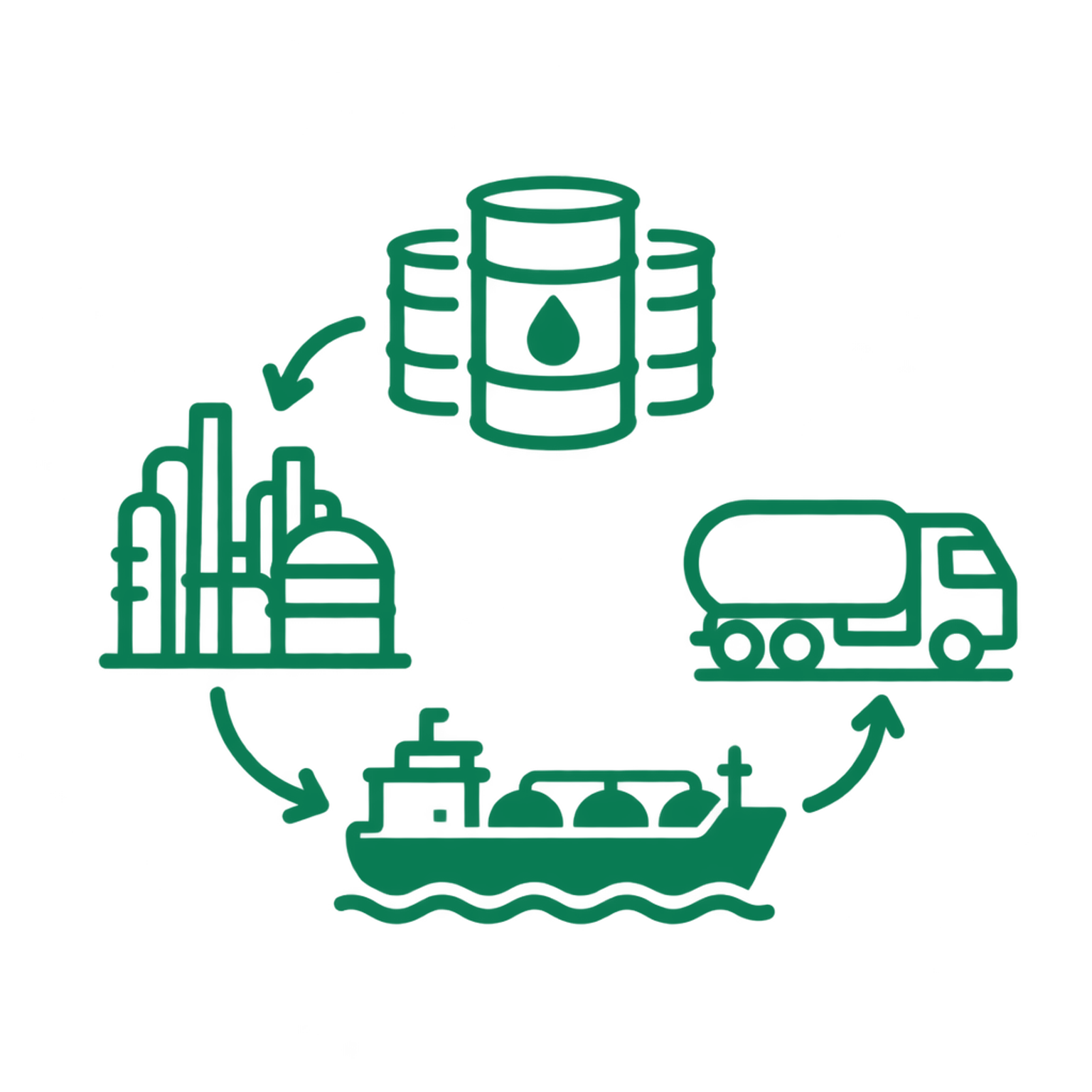
Five Cents examines G7’s Diesel Supply Test to explain whether a hundred-million-barrel emergency release can actually get more fuel to businesses. We’ll follow the diesel from reserves through refineries and shipping routes. Then we’ll assess the OPEC+ decision and the delivery checkpoints. The starting point is what those hundred million barrels contain.
They are not all diesel
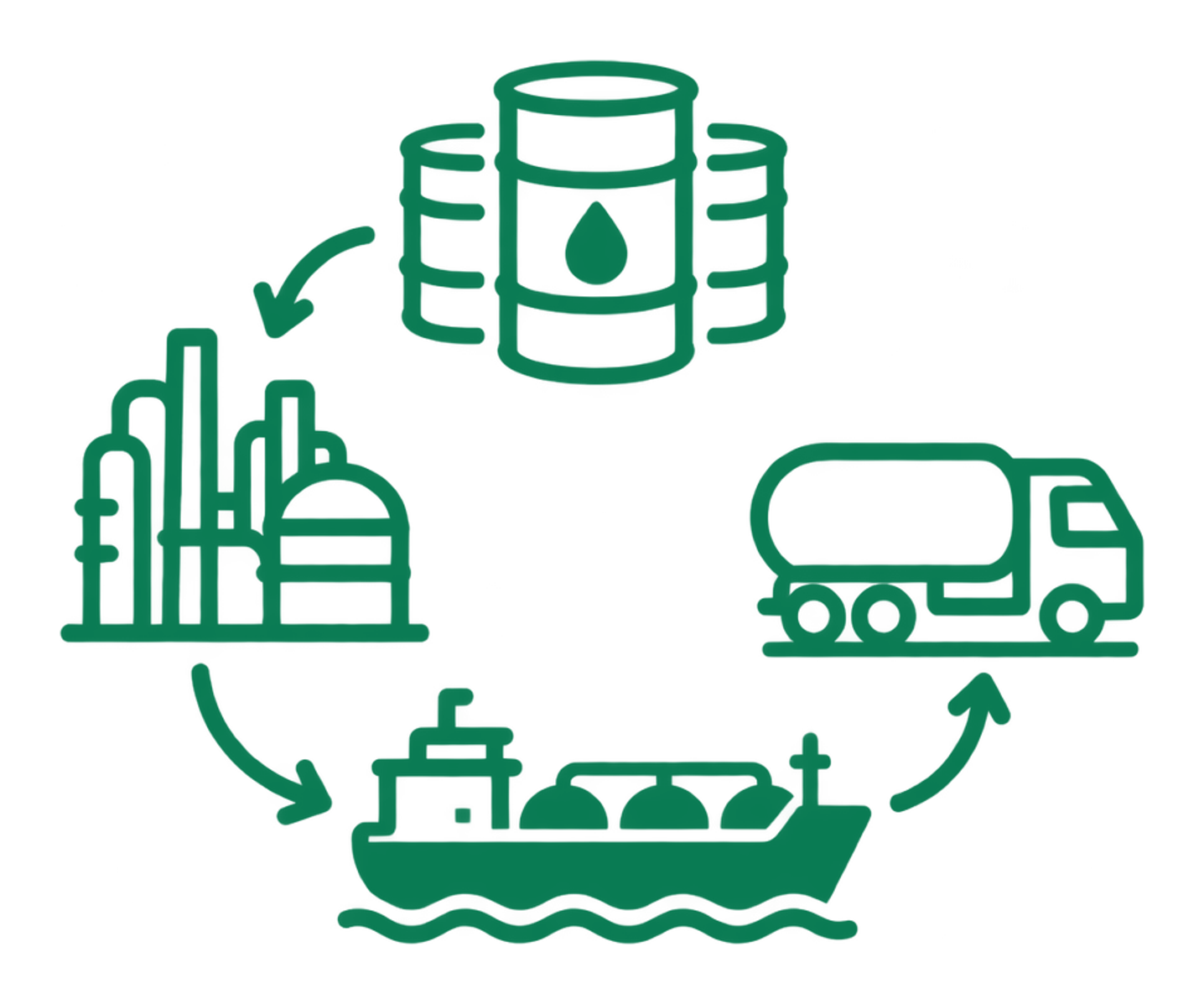
They are not all diesel. The commitment combines crude oil and refined products. That distinction determines how quickly the release can help. Finished diesel may be ready for distribution. Crude generally needs processing first, at a refinery with spare capacity and access to suitable supplies. So the answer is a qualified yes. An emergency release can ease near-term diesel pressure, particularly when finished fuel reaches places facing shortages. But the headline volume alone does not tell us how much usable diesel businesses will receive, or when.
Consider the two routes. Diesel released from a product reserve can move toward a terminal and then into local distribution, provided transport and storage are available. Crude released from a reserve must first reach a refinery. That refinery produces a mix of fuels, not diesel alone. Its equipment, operating conditions, and crude supply affect how much diesel it can make.
This means extra crude is most useful when a shortage of refinery feedstock is the problem. It is less effective when the constraint is unavailable refining capacity or blocked product transport. Adding crude cannot, by itself, fix either bottleneck.
That explains the design of the G7 announcement on October second. Leaders committed to a coordinated release of a hundred million barrels over four months, taking account of commitments already fulfilled. They also promised a substantial diesel release within the first twenty days, involving G7 members and partners.
The context
The early diesel component is the part most directly relevant to immediate shortages. But substantial is not a published volume in the information available here. The diesel share, destinations, and delivery schedule still need to be established. Nor should the full headline amount automatically be treated as entirely new supply, because the commitment accounts for releases already completed.
The accompanying refinery measures matter for the same reason. Leaders called for coordinated maintenance and higher refinery use where feasible. If those measures keep suitable plants operating, they could support additional diesel production. Where feasible is an important qualification. A commitment cannot make unavailable capacity immediately usable.
The G7 also called for avoiding export restrictions among its members. Keeping products able to move between markets can help match available supplies with shortages. But permission to trade is only one condition. The fuel still needs a workable delivery route. That brings us to the Strait of Hormuz. The disruption described in the dossier affects both crude and refined-product flows. Alternative routes and supplies from other exporters can provide partial relief, but they do not immediately restore the regular shipping network.
For a diesel-dependent business, the meaningful outcome is therefore regional availability and the delivered price. A trucking operator needs fuel at its depot. A construction company needs reliable deliveries to keep machinery operating. More crude elsewhere does not guarantee either result. Prices can also respond before deliveries arrive, as traders reassess expected supply. That response is not proof that physical shortages have eased.
The stronger evidence would be diesel reaching affected markets
The stronger evidence would be diesel reaching affected markets, alongside improved availability and fewer delivery constraints. Global crude prices are relevant, but they are not a complete measure of local diesel conditions. Where does OPEC+ fit? On October fourth, seven participating countries kept their November required production at the September level. They did not announce a fresh increase in those requirements for November, and scheduled their next review for November first.
This concerns crude production targets, not finished diesel. Targets also differ from actual output and exports. Even additional crude would still need to pass through the refining and transport stages. The decision therefore provides useful supply context, but cannot settle whether the G7 release will relieve diesel shortages.
The immediate test is delivery during the first twenty days after October second: actual diesel volumes, their destinations, and their arrival dates. The requested implementation report should help clarify what has happened. Refinery output and shipping conditions will show whether reserve releases are being supported by a more reliable supply chain.
The release can provide temporary relief. Its product mix and delivery matter more than the headline alone. Lasting improvement still requires functioning refineries and reliable transport. To explore those constraints further, you can generate two new Five Cents: Why Diesel Prices Diverge from Crude, and How Refineries Increase Diesel Output. And with that, you're up to speed in a few minutes.