

Introduction
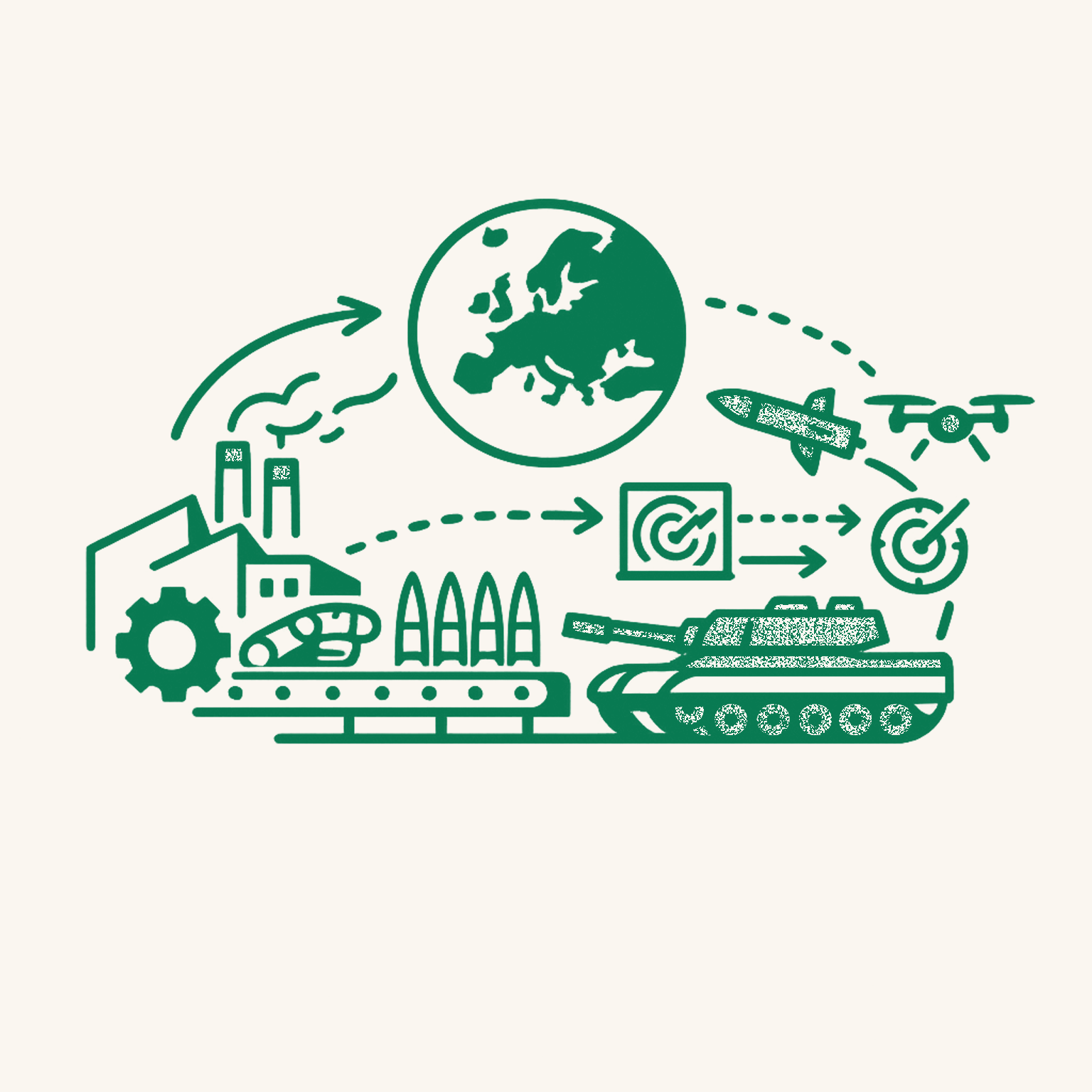
Five Cents looks at NATO after Ankara as a shift from big promises to practical machinery: Ukraine support, defence production, burden-sharing, and Europe’s planning for a less predictable American role. The summit did not rewrite the alliance overnight, but it clarified where NATO is trying to go next. To understand why that matters, start with the main change. This was less about new slogans and more about turning political support into systems that can actually deliver. For years, NATO’s public language on Ukraine and European defence often sounded like commitment in principle. Allies would stand together, spend more, and help Kyiv for as long as needed. Ankara pushed that further. The declaration put more emphasis on defence investment, industrial capacity, procurement, readiness, air and missile defence, drones, deep-strike weapons, and AI-enabled military tools. In plain terms, NATO is saying that deterrence now depends not only on troops and treaties, but on factories, supply chains, command structures, and the speed at which weapons can be produced and moved.

That matters most for Ukraine
That matters most for Ukraine. The headline commitment was seventy billion euros in military equipment, assistance, and training for twenty twenty-six, with allies also saying they would sustain at least equivalent support in twenty twenty-seven. The point is predictability. Kyiv needs weapons and training now, but it also needs to know what will still be arriving months from now, because planning a war effort depends on ammunition, air defence, repair capacity, and trained units. NATO is also trying to make support less improvised through coordination structures, including the NATO-Ukraine Council and mechanisms for training, procurement, assistance, and joint analysis.
The EU is part of that picture too. Its role is not the same as NATO’s, but the two are increasingly working around the same problem: how to keep Ukraine supplied while also rebuilding Europe’s own defence capacity. European leaders have been pushing faster production and delivery of air defence systems, ammunition, drones, counter-drone tools, missiles, early warning, and precision strike capabilities. So Ukraine support is no longer treated only as wartime solidarity. It is becoming part of Europe’s defence-industrial strategy and NATO’s own security planning.
That brings us to burden-sharing, the phrase everyone uses and few people define clearly. After Ankara, it means more than hitting spending targets. It means who pays for Ukraine assistance, who produces the weapons, who can deploy forces quickly, who has air defence ready, who leads commands, and who carries risk if a crisis widens. NATO’s language says European allies and Canada, together with the United States, are assuming greater responsibility for the alliance’s defence. That is carefully worded. It does not say the US is stepping back. But it does say the balance of effort is expected to change.
The political tension is obvious
The political tension is obvious. European allies and Canada are already financing the vast majority of security assistance to Ukraine through bilateral and multilateral channels, according to NATO’s own framing. At the same time, they are being pushed to increase readiness, expand industrial production, and reduce bottlenecks in procurement. That is a big ask. Buying equipment is one thing. Building the production lines, signing long contracts, training personnel, and keeping public support for higher defence spending is another. Ankara’s message is that the alliance wants fewer emergency scrambles and more durable capacity.
The US role sits behind all of this. Europe is not planning as if the United States has left NATO. It is planning as if American attention, political bandwidth, and priorities may be less automatic than before. That is the meaning of the phrase “a stronger Europe in a stronger NATO.” It is not a declaration of independence from Washington. It is insurance. If US support remains firm, Europe’s stronger role reinforces the alliance. If US commitment becomes more uneven, Europe has more of the tools it needs to keep deterrence and Ukraine support from wobbling too sharply.
So the clean read is this: Ankara did not end NATO’s reliance on the United States, but it did make Europe’s greater responsibility more explicit. It turned Ukraine aid into a more predictable multi-year system, and it moved defence industry from background issue to central strategy. A useful follow-up would be a new Five Cents episode on Europe’s defence industry: who can actually produce ammunition, drones, air defence, and missiles at scale, and where the bottlenecks are. And with that, you're up to speed in a few minutes.