

Introduction
With Five Cents, we're unpacking why your feed seems to know you so well, and how much control you have over what it learns. We'll follow the signals behind recommendations, separate them from ad targeting, look at how systems are tested, and tackle that unsettling feeling that your phone heard a conversation. The best starting point is what happens when you watch, skip, or replay something.
Your feed is making predictions
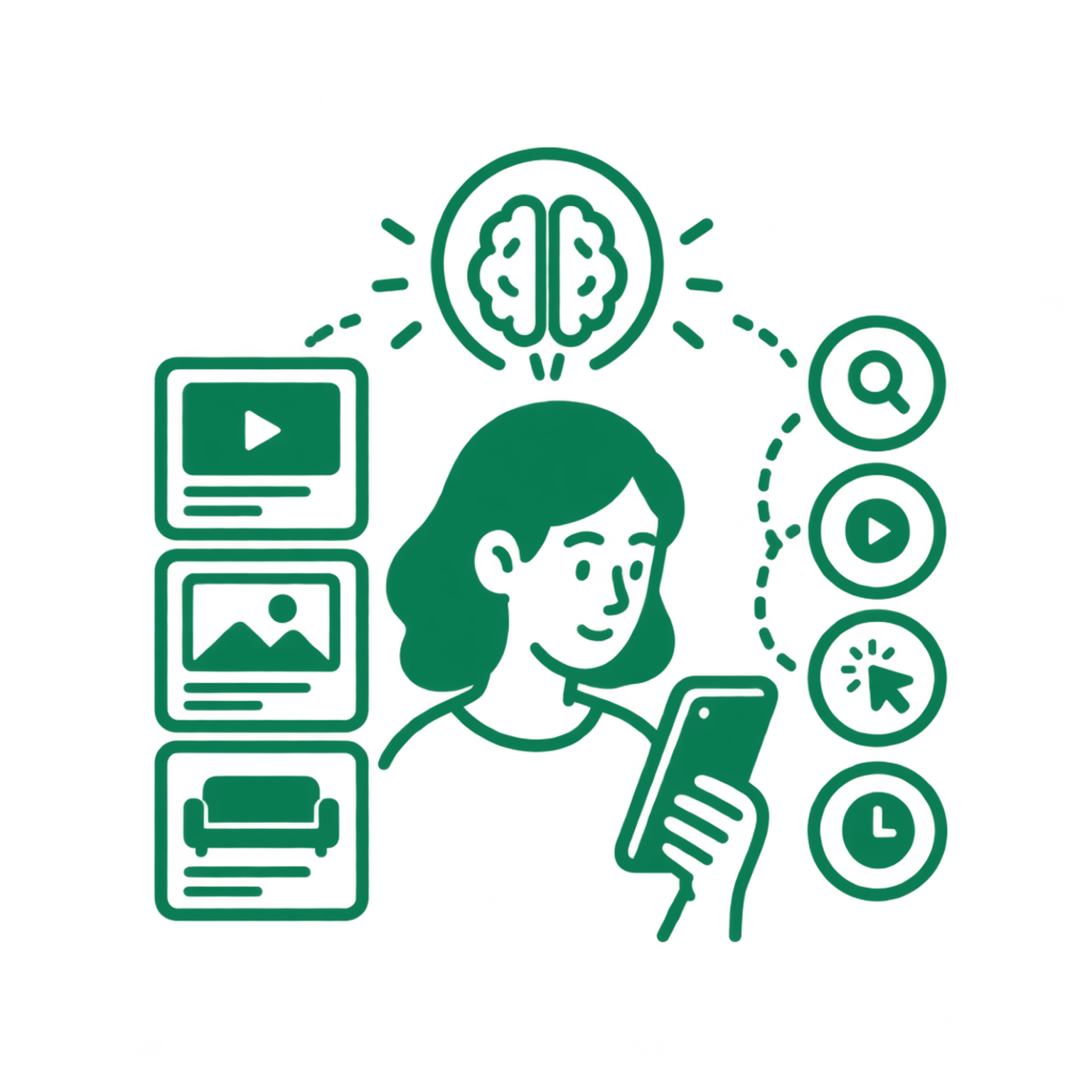
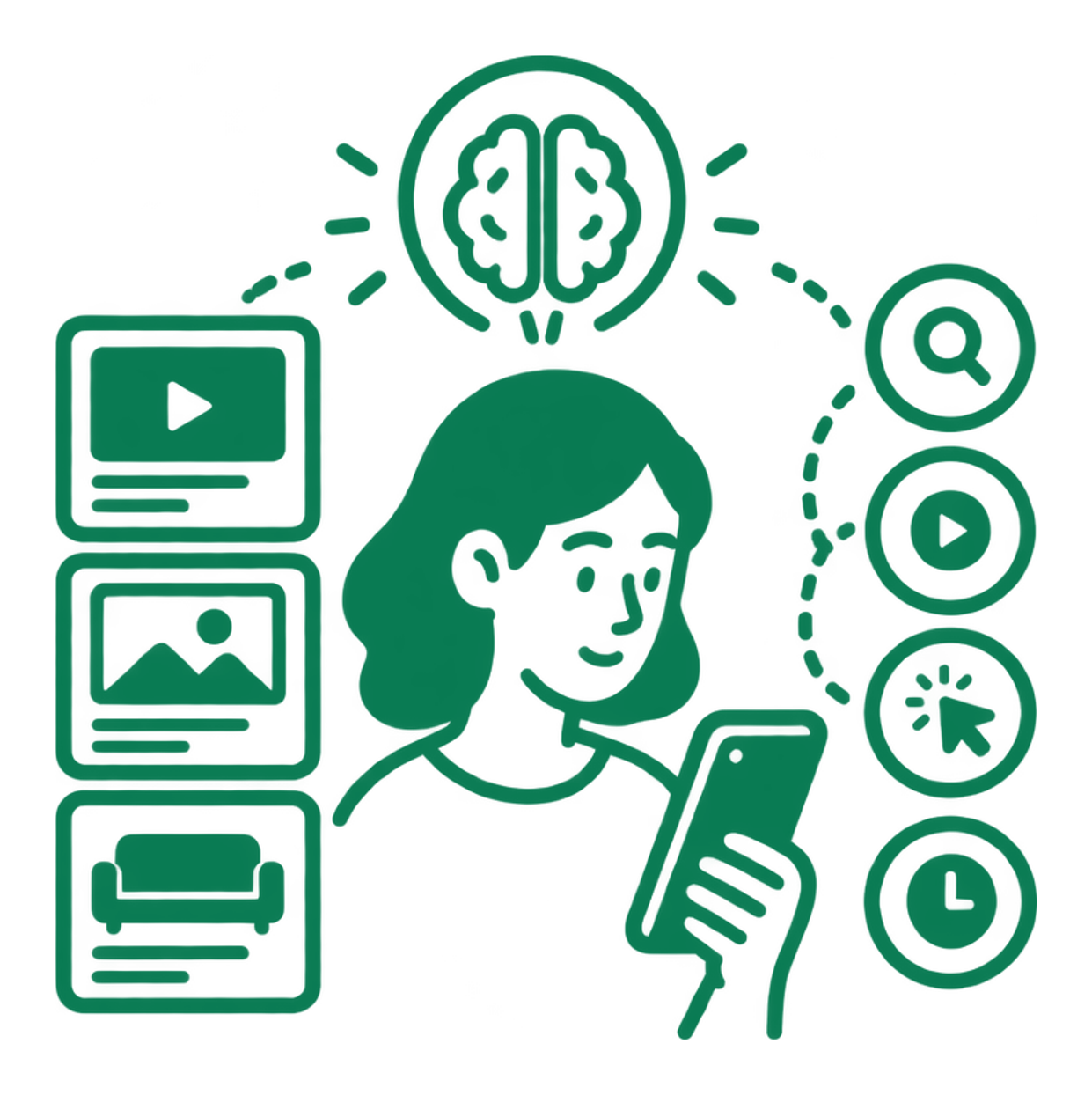
Your feed is making predictions, not reading your mind. Recommendation systems select content you might find relevant. Ranking systems decide what order to put it in. Those jobs often overlap. A service starts with content it could show you, estimates how you might respond, then chooses what appears next. That estimate draws on available evidence, not direct knowledge of your thoughts. Practically, this means you can influence a feed without ever pressing like. What you watch, and what you immediately leave, can both provide signals.
YouTube says its recommendations can use watch and search history, subscriptions, likes, dislikes, and satisfaction surveys. TikTok describes signals including watching, skipping, sharing, and commenting, alongside information about content and some device or location settings. These are the companies' descriptions, not complete views of their internal systems.
A replay might suggest interest, but it doesn't explain why you replayed. You could be delighted, confused, or checking a claim. The system sees an action. Your reason may remain invisible. Here's how those actions become an uncannily personal feed. You watch several videos about growing herbs. The service now has more evidence that this subject might hold your attention. It selects another gardening video. You watch that too, and the next selection incorporates the response.
Recommendations can also draw on patterns among people with similar viewing habits. That's how an unfamiliar creator can appear without you searching for them. But this feedback loop can overinterpret a temporary curiosity. Watching something once isn't a declaration of identity. Predictions may also be stale, shaped by popular content, or limited by whatever the platform has available. A feed that feels accurate in one moment can be wrong in the next.
How do developers decide whether a change improves those predictions?
How do developers decide whether a change improves those predictions? One common method is an A/B test. Different groups receive different versions, and researchers compare chosen outcomes. That might include viewing time, clicks, or satisfaction measures. The important word is chosen. More watching doesn't automatically mean a better experience, and a result averaged across a group doesn't tell you whether everyone benefited. Tests can also become complicated when versions learn from shared data and influence one another.
Testing is useful engineering evidence, but it doesn't settle every question about privacy, long-term effects, or wellbeing. Nor does it mean every person is always in a particular experiment. A system's definition of success matters alongside its ability to predict behaviour.
Advertising uses prediction too, but it isn't the same job as recommending a video. An ad system selects or ranks advertisements. Depending on the service, it may use account activity, inferred interests, advertiser-selected audiences, or information linked through tracking technologies. Some tracking can connect activity across devices.
That helps explain why an ad can feel surprisingly relevant without proving which signal caused it. A conversation followed by a matching ad isn't, by itself, evidence that your phone recorded you. Earlier activity, the page you're viewing, approximate location, or coincidence could explain the match.
Specific audio-monitoring practices have been documented
Specific audio-monitoring practices have been documented, including software designed to detect signals embedded in television advertising. That's different from proof that mainstream phones routinely record private conversations for ads. The concern deserves scrutiny, but the coincidence alone cannot establish the mechanism.
For practical control, separate three things: your feed, your ads, and your device permissions. Start by correcting recommendations with Not interested, unfollowing accounts, or removing relevant watch and search history where available. YouTube lets users pause history. TikTok offers tools such as topic controls, keyword filters, and a feed refresh. Availability varies.
Explanation buttons on TikTok and Meta can offer clues, not a complete account of the model. Manage advertising separately. Turning off Google's personalised ads changes how those ads are selected, not every form of personalisation or tracking. Review microphone permissions if audio access concerns you, but don't mistake that for an ad-tracking switch. Some rights are regional. EU law requires non-profiling recommendation options for very large covered services. No single setting makes the whole internet untracked.
Your feed learns from behaviour, but its predictions aren't a complete picture of you. Recommendations and ads need separate controls, and steering a feed isn't the same as stopping data collection. To explore this further, you can generate two new Five Cents podcasts: How Cross-Device Tracking Works and What Makes a Recommendation System Fair. And with that, you're up to speed in a few minutes.