

Introduction
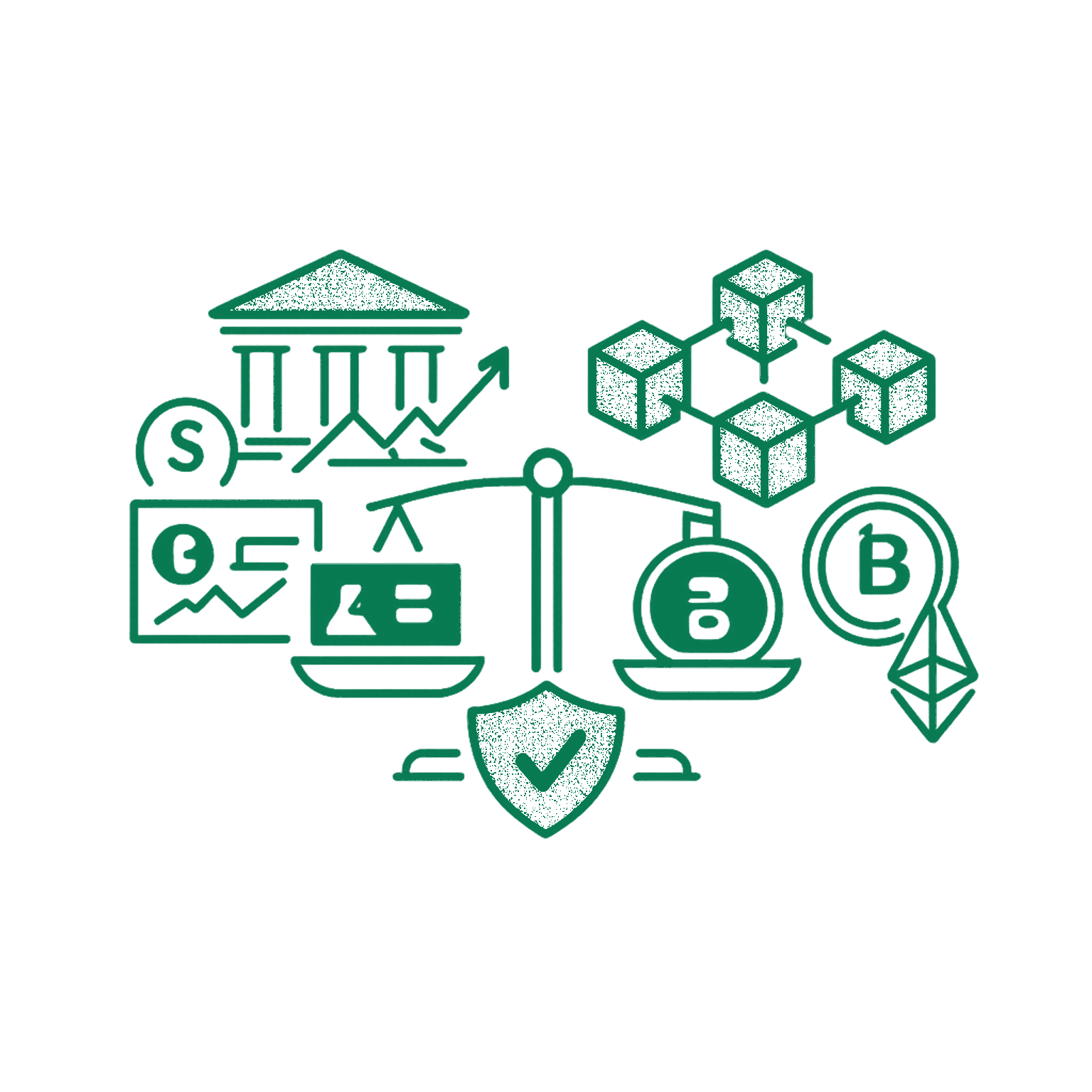
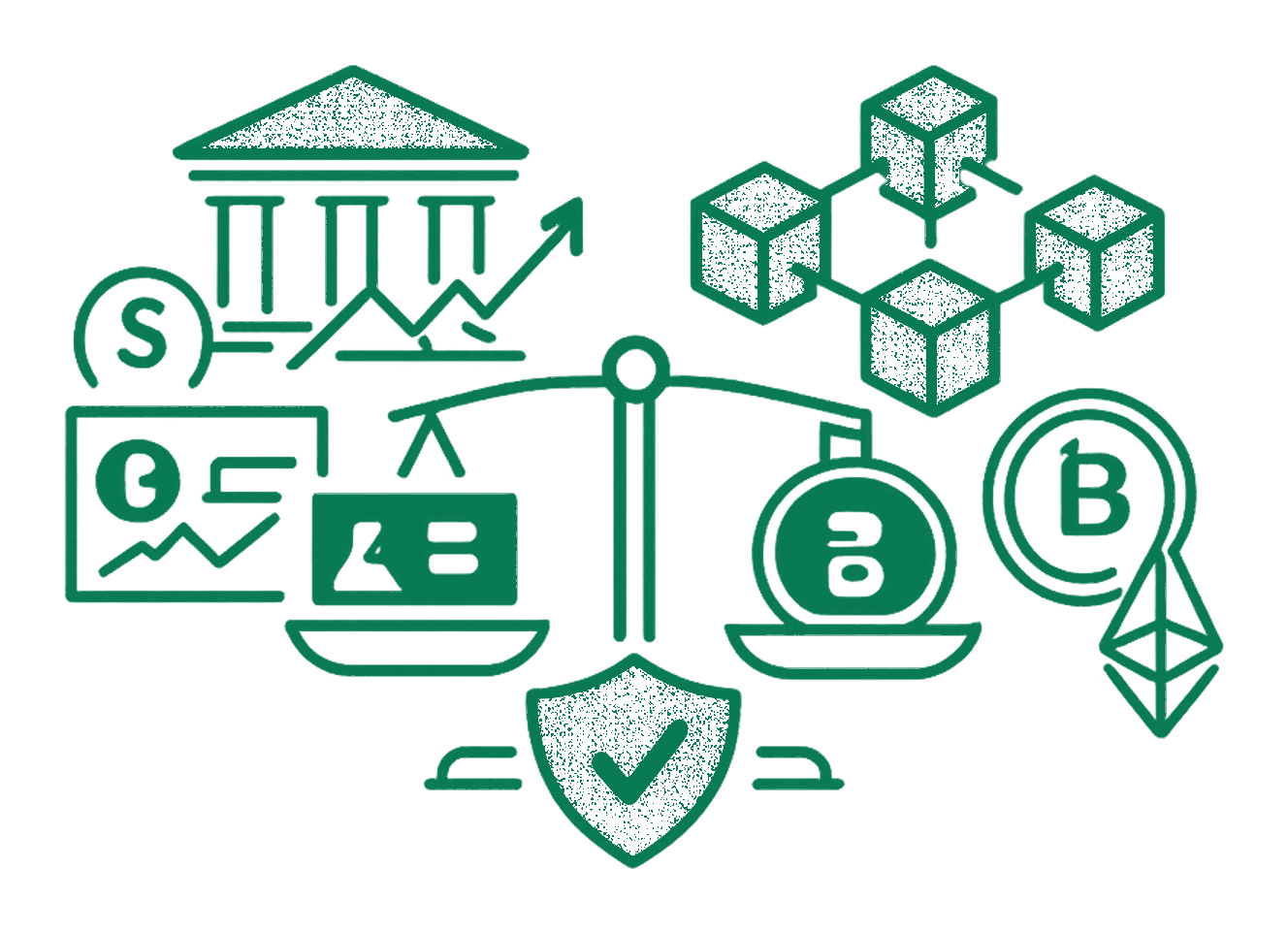
Five Cents takes you through How Stocks and Cryptocurrencies Work: what you actually own, how prices are formed, who keeps the records, and where custody and regulation change the risk. We’ll cover shares, indices, blockchains, tokens, and the systems behind a trade or transfer. Start with the asset itself, because that determines nearly everything else.
A share is an ownership claim in a company
A share is an ownership claim in a company. Depending on its class and local law, it may bring voting rights, possible dividends, and a claim on what remains if the company succeeds. But shareholders usually stand behind creditors if the company fails. A cryptocurrency or cryptoasset is different. It may be a network asset, a payment token, a stablecoin, an access pass, a governance tool, or sometimes a digital representation of a security. The label alone tells you very little.
Stocks move through a chain of financial infrastructure. A company first issues shares to raise capital. That is the primary market. Later, investors buy and sell existing shares in the secondary market, usually through brokers and trading venues. The company normally does not receive the money from those later trades. Prices emerge from bids, asks, available liquidity, and changing expectations.
A trade also is not the same thing as final settlement. Once buyer and seller agree on a price, clearing systems calculate obligations. Settlement transfers the cash and updates the securities records. Custodians and central recordkeeping systems help safeguard those positions. Most modern stock ownership is already digital. It simply does not usually rely on a blockchain.
Indices add another distinction. An index is a measurement of a basket of securities, built according to rules on inclusion and weighting. It may track a broad market, an industry, or a region. You do not normally buy an index directly. An index fund or exchange-traded fund is a separate product that aims to follow it, with its own fees and possible differences from the index. And if an index rises, that does not mean every company inside it rose.
Crypto networks use a different kind of recordkeeping
Crypto networks use a different kind of recordkeeping. On a blockchain, transactions are grouped into linked records and checked under the network’s rules. A holder creates a transaction, signs it with a private key, broadcasts it, and waits for validators or miners to accept it into the ledger. Different networks use different methods, including proof of work, proof of stake, or permissioned systems.
So decentralisation is not an on-off switch. Control can still be concentrated among developers, validators, issuers, exchanges, or large holders. The wallet point matters. A wallet usually does not hold coins in the way a physical wallet holds cash. It manages the credentials needed to authorise changes to a blockchain record.
A public address can receive assets. A private key authorises transfers. Lose control of that key, and access may be lost. Use a third-party custodian, and you gain convenience but take on the custodian’s operational and insolvency risks. Tokens need the same close reading. A native token may pay network fees. A stablecoin may aim to track a currency or other asset. A utility token may unlock a service, while a governance token may allow voting within a project.
None of those functions automatically gives you ownership of a business or a legally enforceable claim. Even a tokenised security can have rights that differ from the traditional instrument it refers to. Stocks and cryptoassets overlap in important ways. Both trade in markets, both can be volatile, and both can involve intermediaries, leverage, liquidity problems, and speculation.
But the underlying questions are different
But the underlying questions are different. With a share, potential value is often tied to a company’s earnings, assets, and shareholder rights. With a cryptoasset, value may depend on network use, scarcity rules, reserves, redemption promises, governance, or market sentiment. A few mistakes are worth avoiding. Blockchain does not mean anonymous or risk-free. Stablecoin does not mean guaranteed stability. Higher volatility does not promise higher returns.
And “not your keys, not your coins” is a slogan, not a full custody plan. Self-custody reduces one set of risks while making you responsible for security, backups, and irreversible errors. Regulation also varies widely. Traditional securities markets generally have established rules around disclosure, intermediaries, and client assets. Crypto rules often depend on the asset, activity, and jurisdiction.
The practical checklist is simple: ask what the asset is, what rights it gives you, who maintains the record, who controls access, and what happens if the market, technology, intermediary, or legal framework fails. To explore this further, you can generate Five Cents episodes on Understanding Index Funds and ETFs and Crypto Custody: Wallets, Keys and Exchanges.
And with that, you're up to speed in a few minutes.