
Introduction
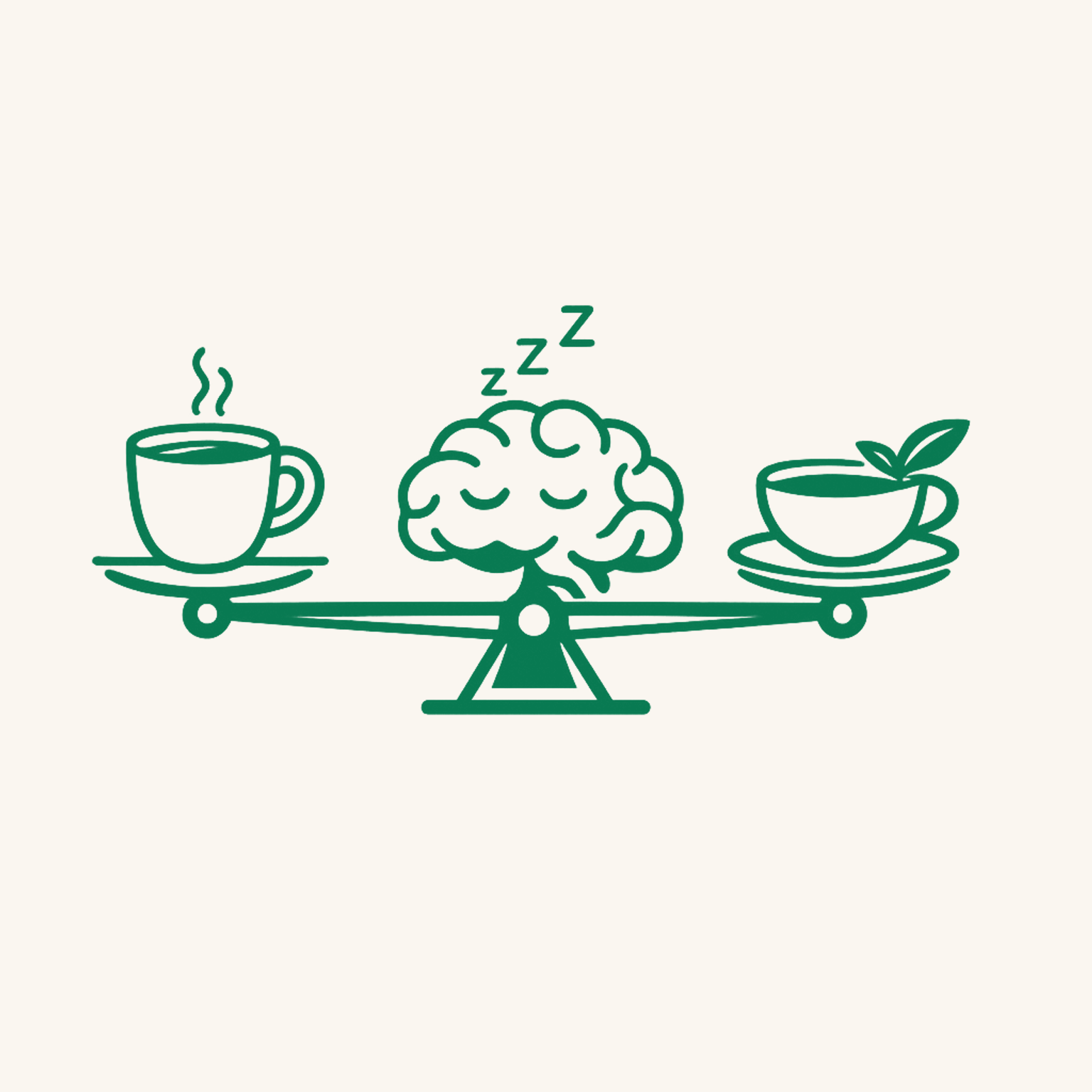
Five Cents looks at coffee or tea for energy, sleep and focus: how caffeine dose, timing, L-theanine and your own sensitivity shape the better choice. We’ll separate reliable evidence from the claims that sound good online. The useful place to begin is with the ingredient both drinks share: caffeine. Coffee and tea are not two completely different kinds of energy. Caffeine blocks adenosine, a chemical that helps create sleep pressure. That makes you feel more alert and less sleepy. Coffee often feels stronger because an ordinary serving commonly contains more caffeine, not because its caffeine is fundamentally different.

But “one cup” tells you very little
But “one cup” tells you very little. A small espresso can contain less total caffeine than a large filter coffee. Strong black tea, matcha or concentrated iced tea can deliver far more than a lightly brewed cup. Preparation, serving size and how quickly you drink it all matter. Caffeine begins acting relatively quickly, but there is no universal rule that coffee is always absorbed faster than tea.
For a stronger morning lift or a short, demanding task, coffee is often the practical option. It can be more efficient when sleepiness is real. The trade-off is that a larger dose also raises the chance of jitters, anxiety, a racing heart, nausea or an afternoon crash in people who are sensitive.
Tea is often easier to pace. It commonly contains less caffeine per serving, and many people sip it more slowly. That can make it useful for reading, desk work or repeated modest boosts through the day. Still, gentle is not the same as harmless. A large, strong tea late in the day can disturb sleep just as reliably as coffee.
What about the popular idea of tea giving “calm focus”?
What about the popular idea of tea giving “calm focus”? Tea contains L-theanine, and research suggests that theanine combined with caffeine may offer small short-term benefits for some attention tasks, especially during the first couple of hours. But that does not prove tea is better than coffee for concentration. It also does not mean theanine cancels caffeine jitters, improves creativity, or creates a universal focus formula. Studies often use controlled doses that do not match a normal mug of tea.
Sleep is where the coffee-versus-tea debate becomes simpler. Timing and total caffeine usually matter more than the label on the drink. Caffeine can reduce sleep even when you do not feel especially wired. A dose taken six hours before bedtime has been shown to cut sleep time in study conditions. If protecting sleep is the goal, choose a lower-caffeine drink earlier in the day, or switch to decaf or a caffeine-free herbal infusion later on. Green, black and white teas made from tea leaves still contain caffeine.
Regular use adds another complication: tolerance. If coffee seems to do nothing, it may partly be relieving withdrawal rather than delivering a major performance boost above your usual baseline. Cutting down suddenly can bring headaches, fatigue, irritability and trouble concentrating, so a gradual reduction is usually easier. Tolerance also does not guarantee that caffeine has stopped affecting your sleep.
A few habits make this comparison more useful
A few habits make this comparison more useful. Do not assume dark roast is always lower in caffeine, or that matcha provides limitless clean energy. Compare approximate caffeine amounts where possible, rather than comparing cups. Keep the serving size consistent, note the time you drank it, and track alertness, anxiety and sleep across several similar days. The aim is not to declare a winner. It is to find the lowest amount that helps without leaving you shaky or awake at night.
If a drink repeatedly causes panic-like feelings, reflux, palpitations or persistent insomnia, reduce the dose, move it earlier, choose a weaker version or avoid caffeine. People who are pregnant, taking medication, or managing cardiovascular, anxiety or sleep conditions should seek individual clinical advice rather than relying on a general rule. Population guidance can be useful, but it is not a personal prescription.
So, coffee is usually the stronger option, tea is often easier to moderate, and sleep depends far more on dose and timing than on the drink’s image. The next useful question might be how to build a caffeine routine around shift work, exercise or an early bedtime; you can create a new Five Cents episode on whichever angle fits your day. And with that, you're up to speed in a few minutes.